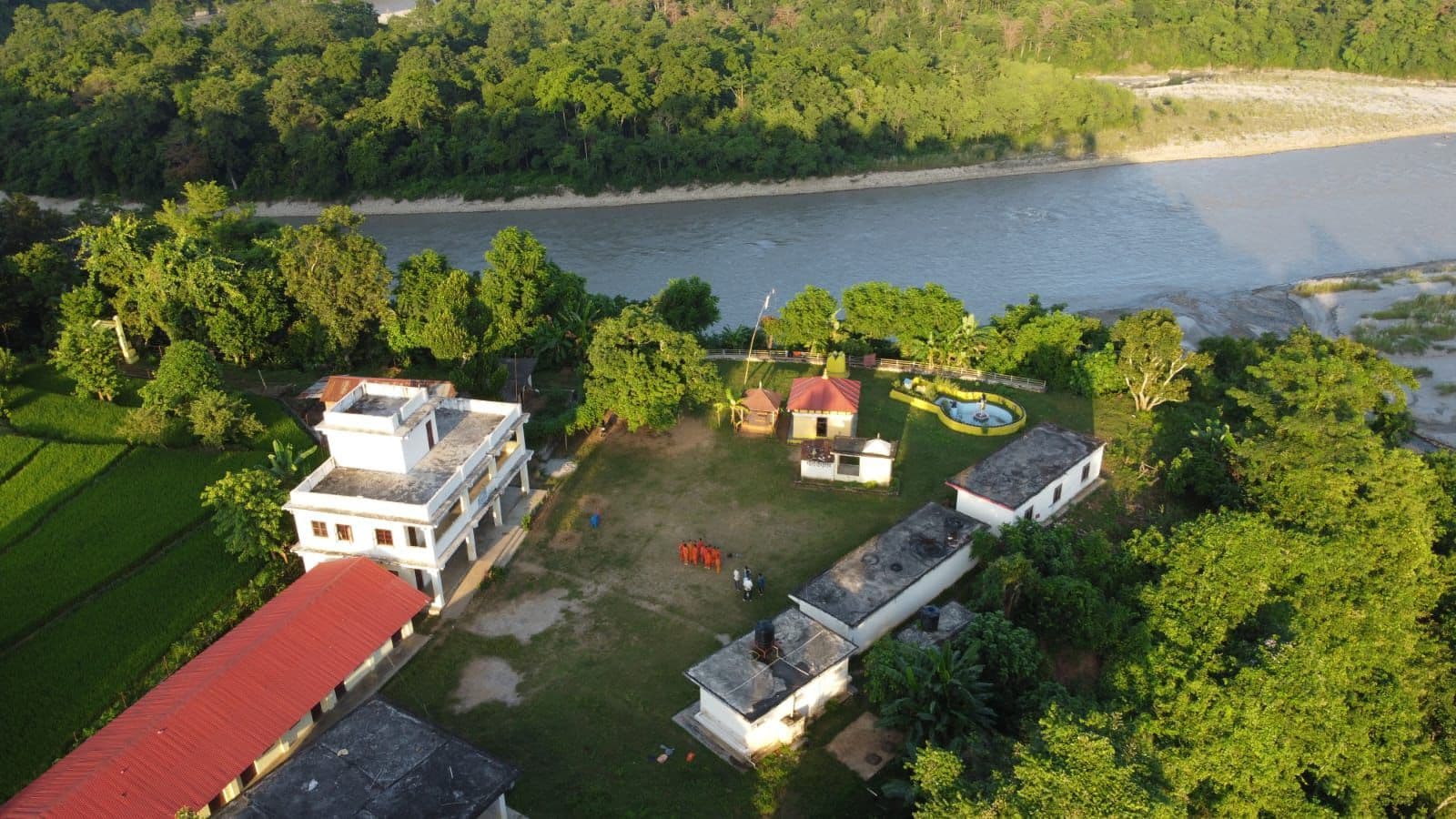
Our programme
A holistic model for the Guardians of the Sky
At Manimukundeshwor, we operate a holistic conservation model dedicated to protecting the “Guardians of the Sky” — Nepal's critically endangered vultures. Nestled within the Kaligandaki River Corridor, a region identified as a vital habitat for nine species of Asian vultures, our organisation bridges the gap between ancient spiritual values and modern ecological science.
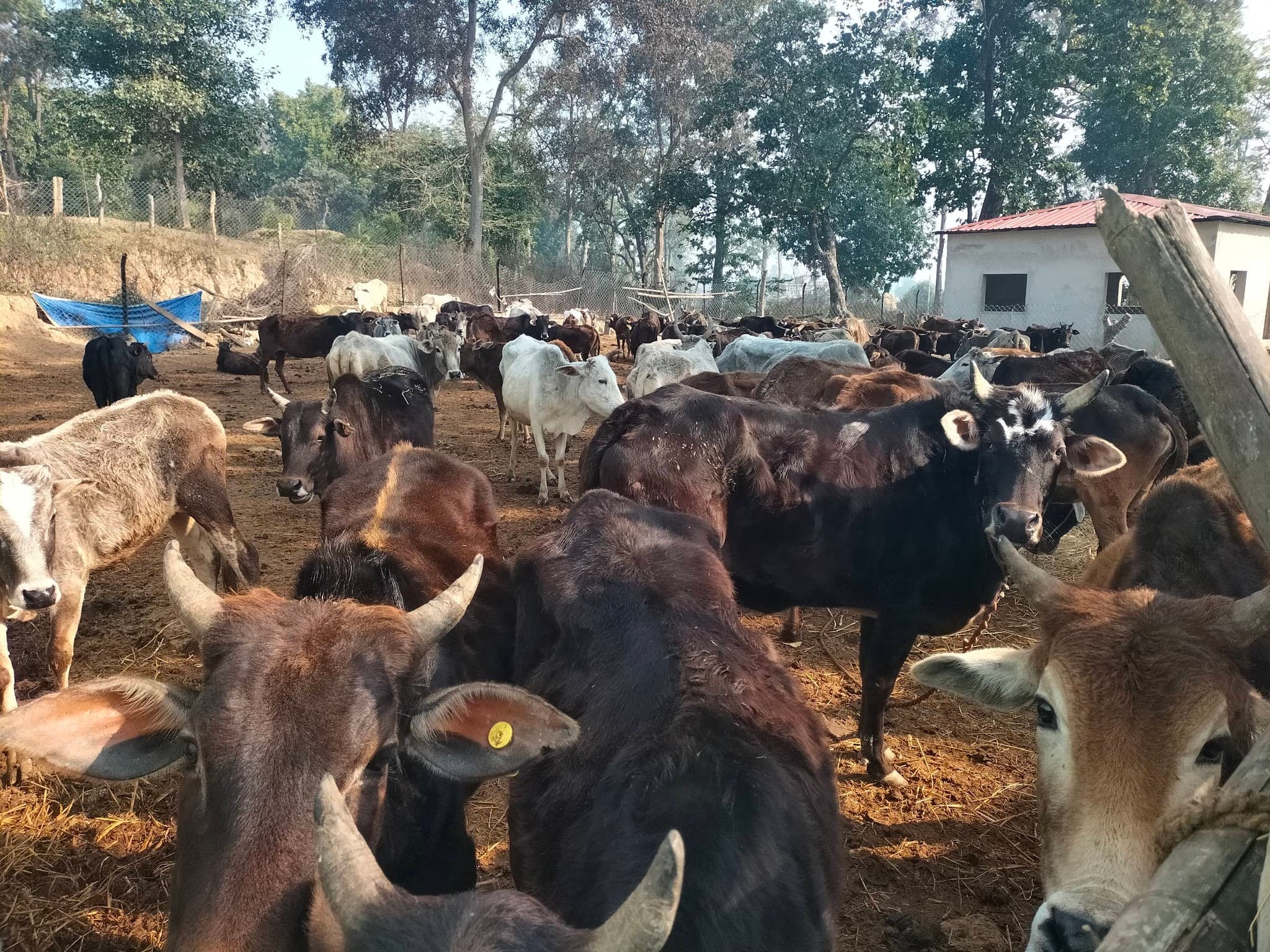
I. The Homeless Cow Shelter: A Sanctuary for Life
Vultures are nature's primary scavengers, but they are facing a catastrophic population decline due to food scarcity. One of the primary causes is the modern practice of burying carcasses, which deprives vultures of their natural food source.
Our model: Manimukundeshwor provides a dignified home for homeless and abandoned cows. These animals live out their natural lives in a peaceful environment.
Safe food provision: When our cows pass away from natural causes, their remains are provided to the vultures at our dedicated feeding site. This ensures a consistent supply of diclofenac-free food. Diclofenac, a veterinary drug, was the primary cause of the 95% decline in Asian vulture populations; by managing our own livestock, we guarantee a safe, toxin-free diet for the birds.
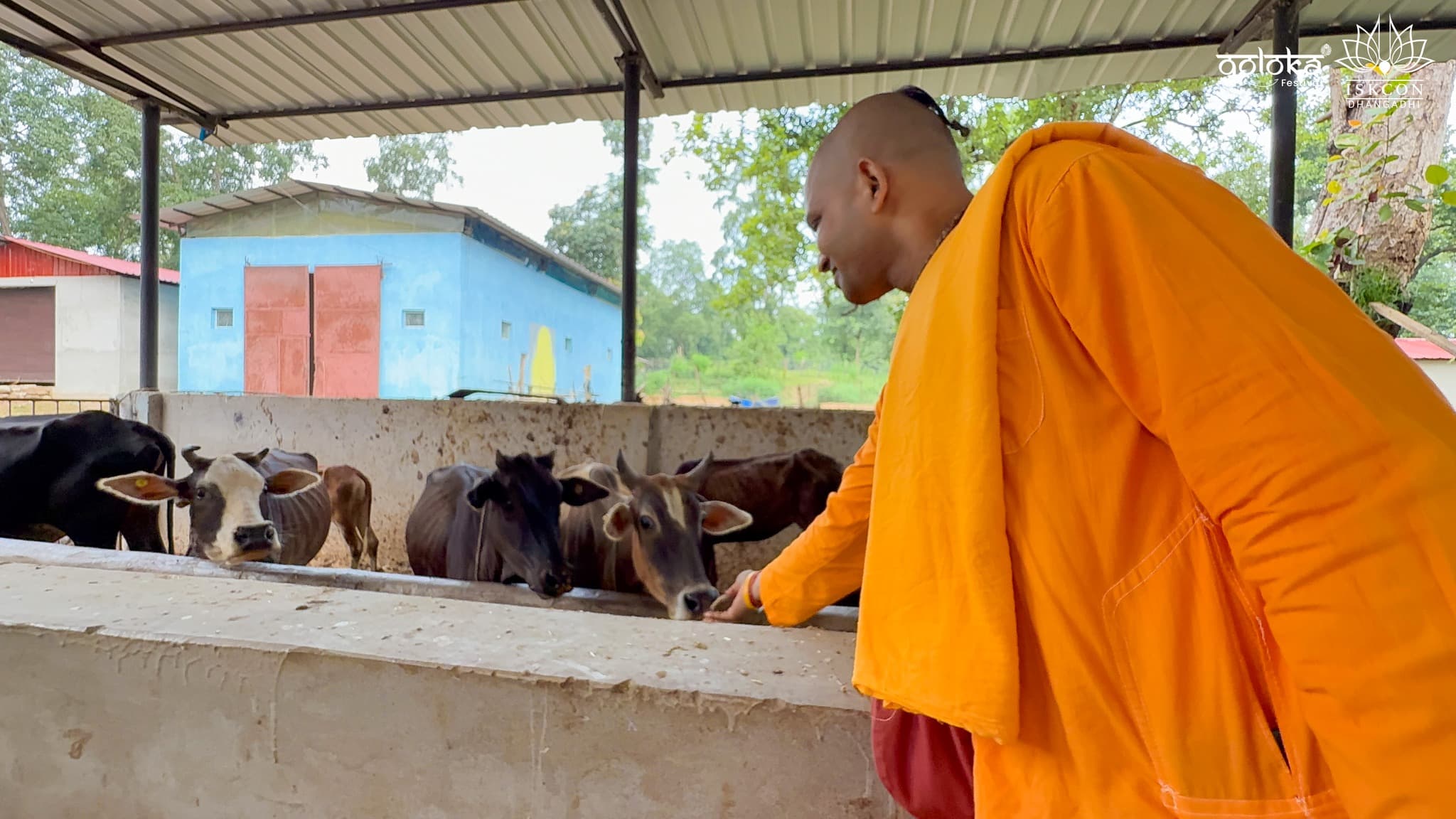
II. The Vulture Restaurant: Ecological Restoration
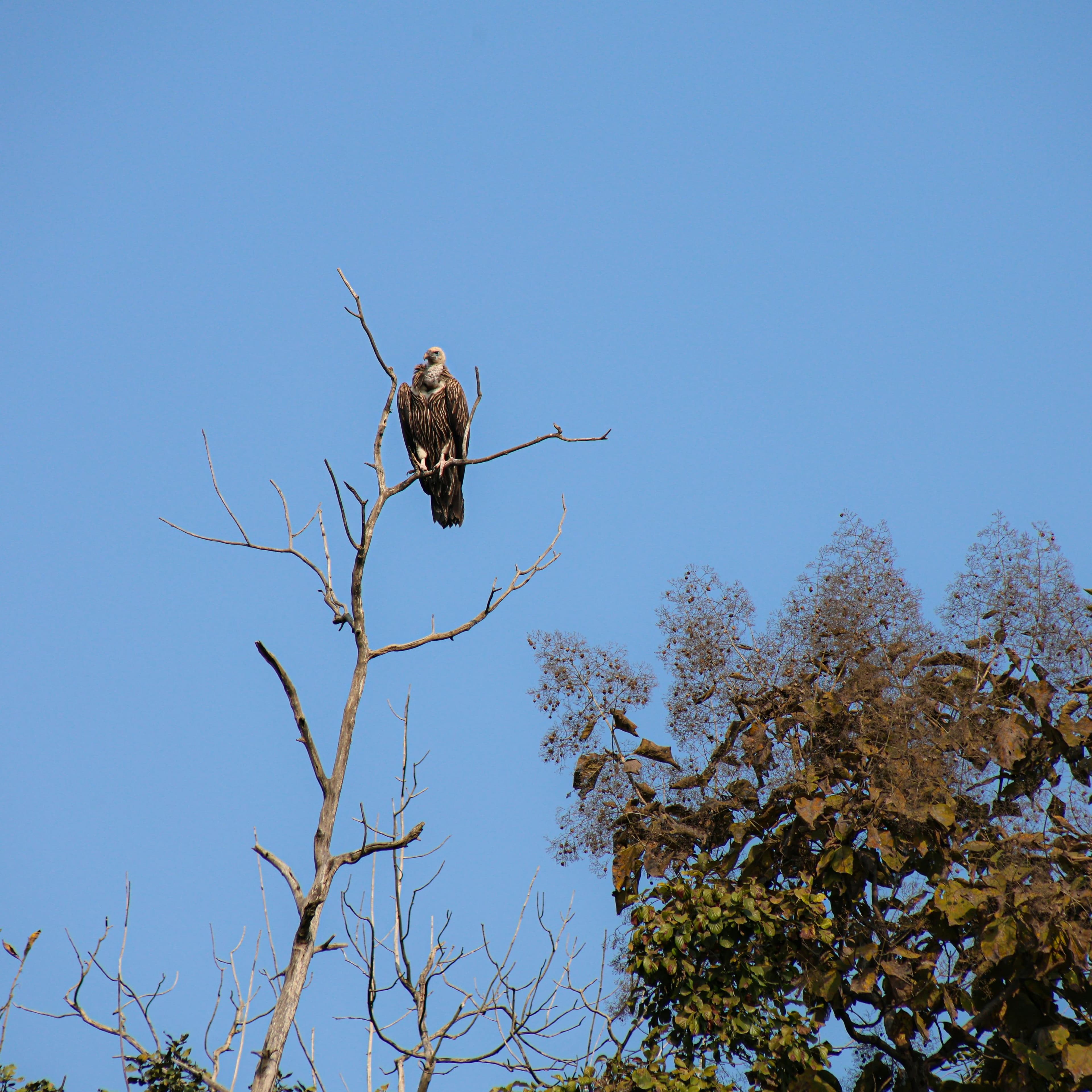
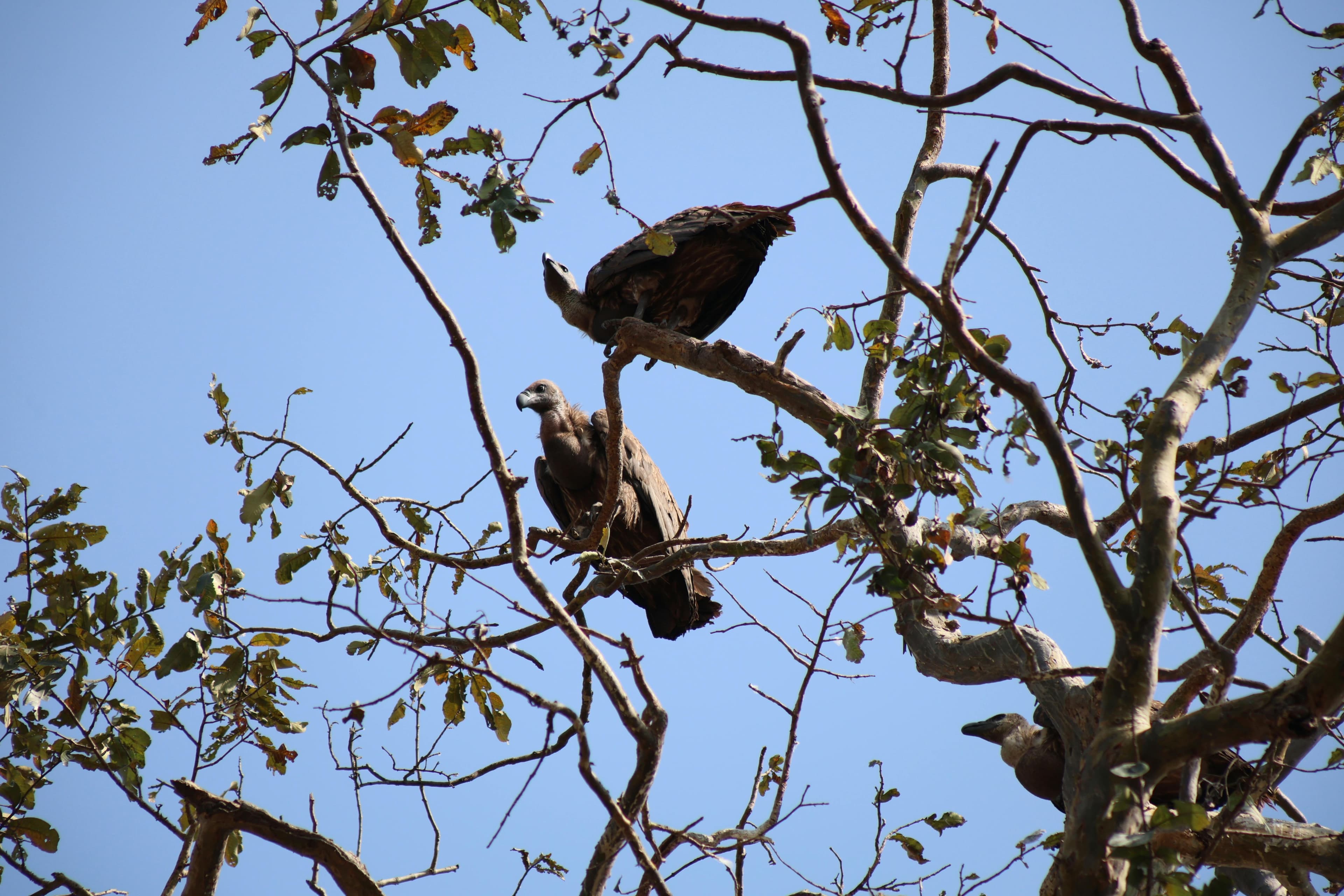
Technically known as a Vulture Safe Feeding Site (VSFS), our “restaurant” is a critical survival hub for species like the White-rumped Vulture and the Red-headed Vulture.
Habitat protection: We actively protect the Simal trees (Bombax ceiba) on our grounds. Scientific evaluations in the Kaligandaki Corridor show that these tall, mature trees are among the most preferred species for vulture nesting and roosting.
Disease prevention: By providing a site for vultures to consume carrion, we help clean the environment. Without vultures, carcasses rot or are eaten by feral dogs, which can spread diseases like rabies and distemper.
Species recovery: Research shows that proximity to these feeding sites is significantly associated with higher vulture abundance and the successful recolonisation of scavenging raptors.
III. The Manimukundeshwor School of Nature & Spiritual Studies
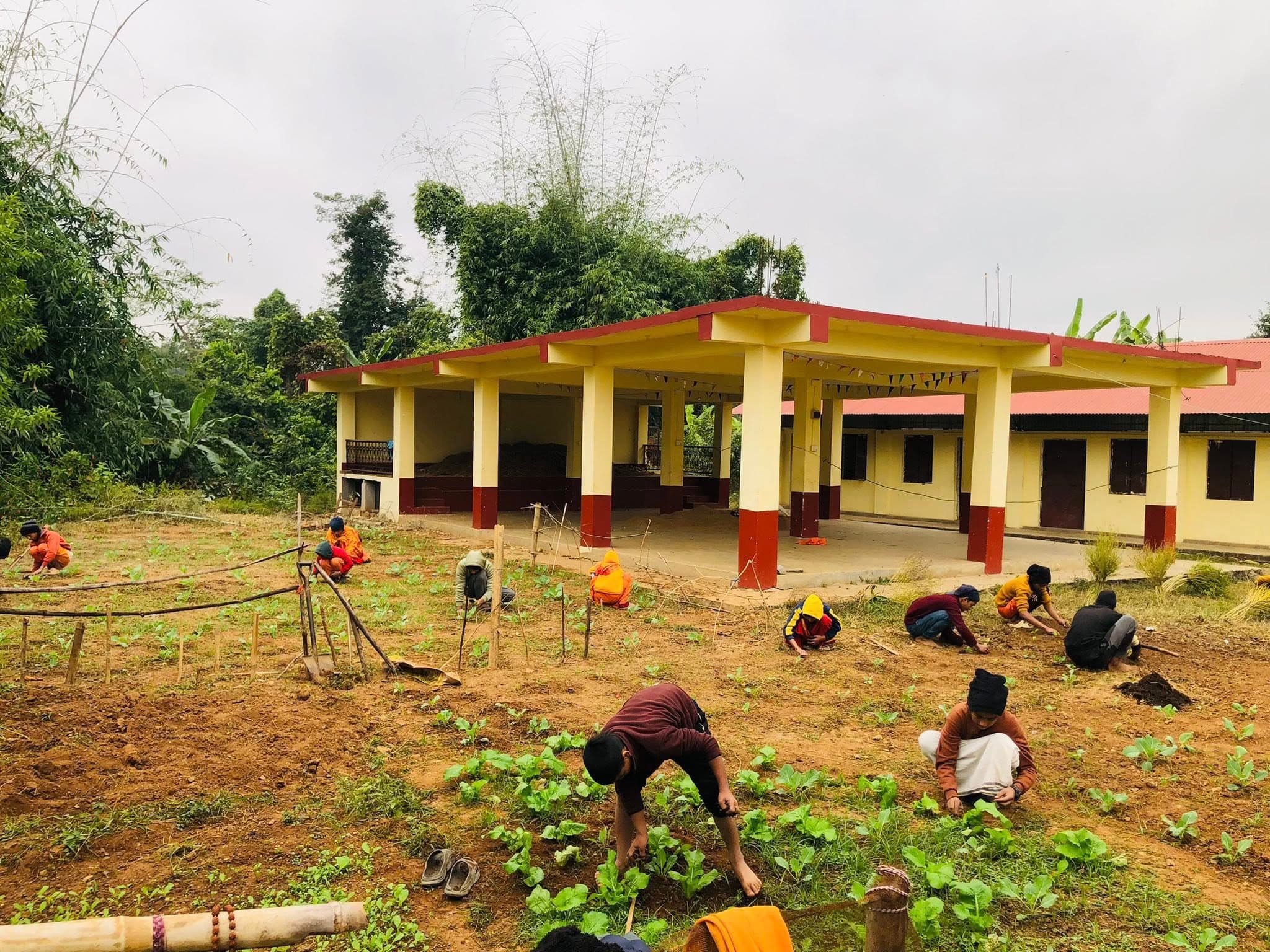
Conservation is impossible without the support of the local community. While many recognise vultures as useful, a significant share of people still view them as “dirty birds” or “bad signs” — perceptions we address through education.
Spiritual stewardship: Our school teaches that all life is interconnected. We reframe the vulture's role not as a “grim reaper,” but as a sacred cleaner of the earth.
Environmental literacy: We educate the next generation on the importance of maintaining forest patches and avoiding harmful pesticides and chemicals in agriculture — major secondary threats to vulture survival.
Community monitoring: By training students to monitor the 24+ nests in the corridor, we create a network of “Vulture Guardians” who protect nesting sites from human disturbance and illegal felling of trees.